
Back in Play: Why Euchre Is Winning Hearts Again
Euchre: The Card Game That Once Ruled the Parlor (and is Making a Real Resurgence)
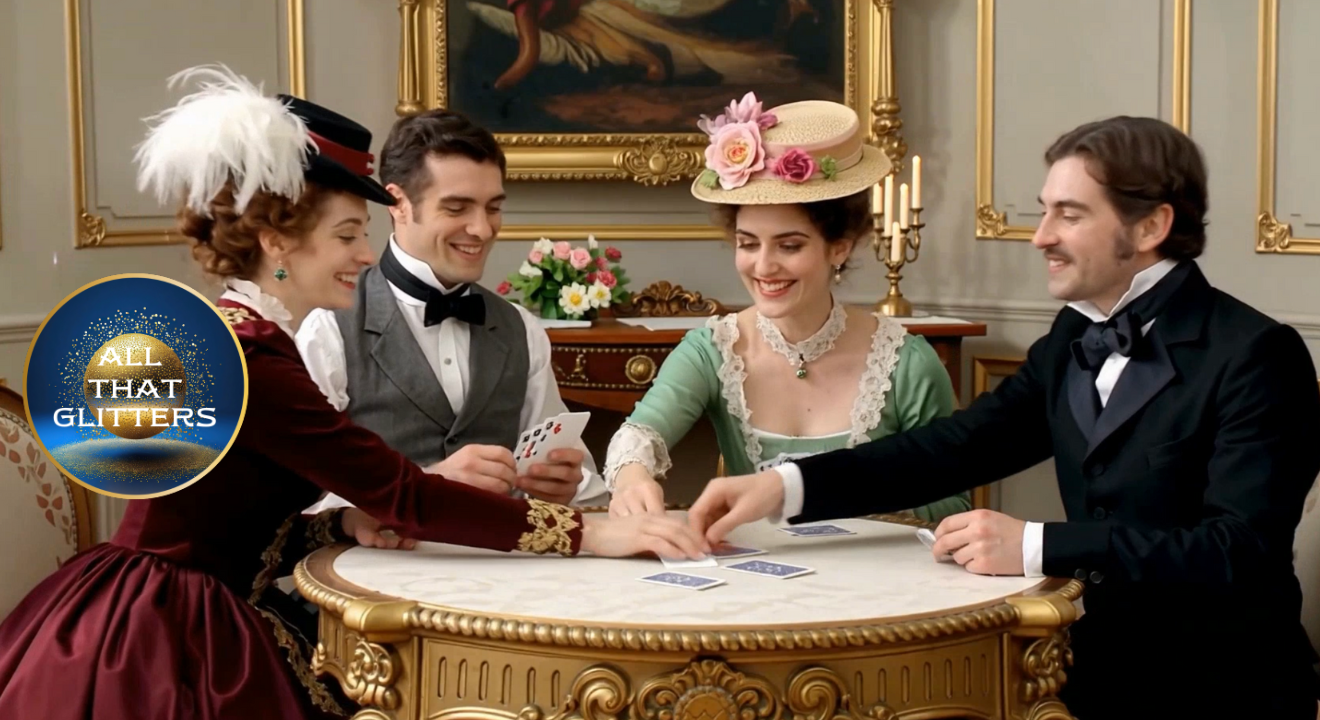
Long before televisions flickered to life in living rooms, before radios brought voices through the air, and before board games came in glossy boxes or in apps, entertainment was something people generally made for themselves. Cards were one of the most reliable ways to do that. Around 1900, few card games were as widely played—or as socially important—as euchre.
Euchre was easy to learn, quick to play, and encouraged conversation and company. All you needed was a deck of cards, four players, and a table. From farmhouses to city parlors, euchre became a fixture of American social life, especially in the Midwest and Northeast.
Euchre’s Place in Social Life Around 1900
By the late nineteenth century, euchre had already been popular for decades. Originally derived from European trick-taking games, it evolved into something distinctly American. Its popularity peaked in the second half of the 1800s and carried strongly into the early 1900s, where it became a standard pastime for families, friends, neighbors, and social clubs.
Euchre was especially well suited to an era when evenings were long and entertainment was communal. After supper, families often gathered around a table rather than dispersing into separate rooms. Euchre offered enough structure to keep people engaged without demanding silence or intense concentration.
It also carried a reputation for being respectable but lively. Unlike games associated with gambling, euchre was generally considered acceptable for mixed company. Women played as frequently as men. Teenagers learned the game early. It appeared at church socials, holiday gatherings, and informal “card evenings” hosted in private homes.
The Euchre Party
Around 1900, it was quite common to host or attend a dedicated euchre party. These were planned social events, often listed on invitations right alongside the date and time.
Prizes were modest and symbolic: handkerchiefs, ribbons, small decorative items, or novelty objects. The goal wasn’t competition so much as participation. Winning mattered, but not enough to disrupt the mood.
Hosts paid attention to balance and etiquette. Strong players were often paired with weaker ones to keep games fair. Guests were expected to play promptly, avoid excessive rule disputes, and keep conversation pleasant. Poor sportsmanship—complaining, sulking, or showing off—was frowned upon.
Players competed in teams of two, and success depended on subtle communication, trust, and shared strategy. It rewarded attentiveness without punishing mistakes too harshly, which made it ideal for social play and a fun evening.
Etiquette at the Table
Like many social customs of the time, euchre came with expectations, even if they were rarely written down.
Some common standards included:
- Playing promptly: Hesitation was considered rude, especially when it slowed the table.
- No overt coaching: Partners couldn’t openly tell each other what to play.
- Grace in winning and losing: Boastful winners and sore losers alike were beyond the pale.
- Keeping the game moving: Long debates about rules were discouraged and most groups followed local house rules.
New players were guided quietly, not corrected publicly. The goal was to keep everyone comfortable enough to keep playing.
Why Euchre Endured and Is Becoming Big Again
Euchre thrived because it fit neatly into everyday life, and it's fun. A single game takes only about 15–20 minutes. That made it easy to play multiple rounds or stop without disrupting the evening.
Even as new forms of entertainment emerged in the early twentieth century—phonographs, motion pictures, and eventually radio—euchre remained popular because it offered something machines could not: face-to-face interaction.
Today, part of euchre’s renewed popularity comes from how social it is by design (unlike, say, ‘social’ media). You don’t play euchre alone, and you don’t play it silently. Every hand invites table talk and the subtle drama of wondering whether your partner will trust your call.
There’s also a nostalgia factor at work. Many players first learned euchre from parents or grandparents, often in informal, cozy settings. Picking it up again feels like reconnecting with something grounded and familiar.
Euchre also benefits from being deceptively simple (although at first, the rules may seem odd and confusing). After a few games, the rules seem straightforward, and the strategy is enjoyable and effective.
In a time when people are craving connection and familiarity, this old card ‘does the trick.’ Har har.

Fun Fact
Did you know that in The Unsealing, Allie and Arthur loved playing euchre?
In real life, Alicia and Arthur actually met at a euchre party!
How to Play Euchre (the Modern, Straightforward Version)
If you’ve never played Euchre, the good news is that it’s much easier to learn by doing than by reading. Still, here’s a clear, modern set of instructions to get you started.
Overview
What You Need
- Four players
- One standard deck of cards, using only the 9s, 10s, Jacks, Queens, Kings, and Aces That’s 24 cards total. (Specially made euchre card packs are sold already arranged, an alternative to separately remove cards from a full traditional deck.)
- Players sit across from their partner, forming two teams.
The Goal
The goal is to be the first team to score 10 points by winning tricks.
Basic Setup
- Shuffle the cards. The cards are then dealt to the left of the dealer, clockwise.
- The dealer doles out all the cards in two rounds, and only two rounds. The most common deal sequence is to deal 2 cards in the first round and then deal 3 cards to each player in the second round.
- Place the remaining cards face down, turning the top card face up. This card helps determine trump.
Understanding Trump (The Key to euchre)
Euchre is a trick-taking game, meaning each round players play one card, and the highest card wins the trick.
One suit is chosen as trump, and trump cards beat all other suits.
Here’s the twist that makes euchre unique:
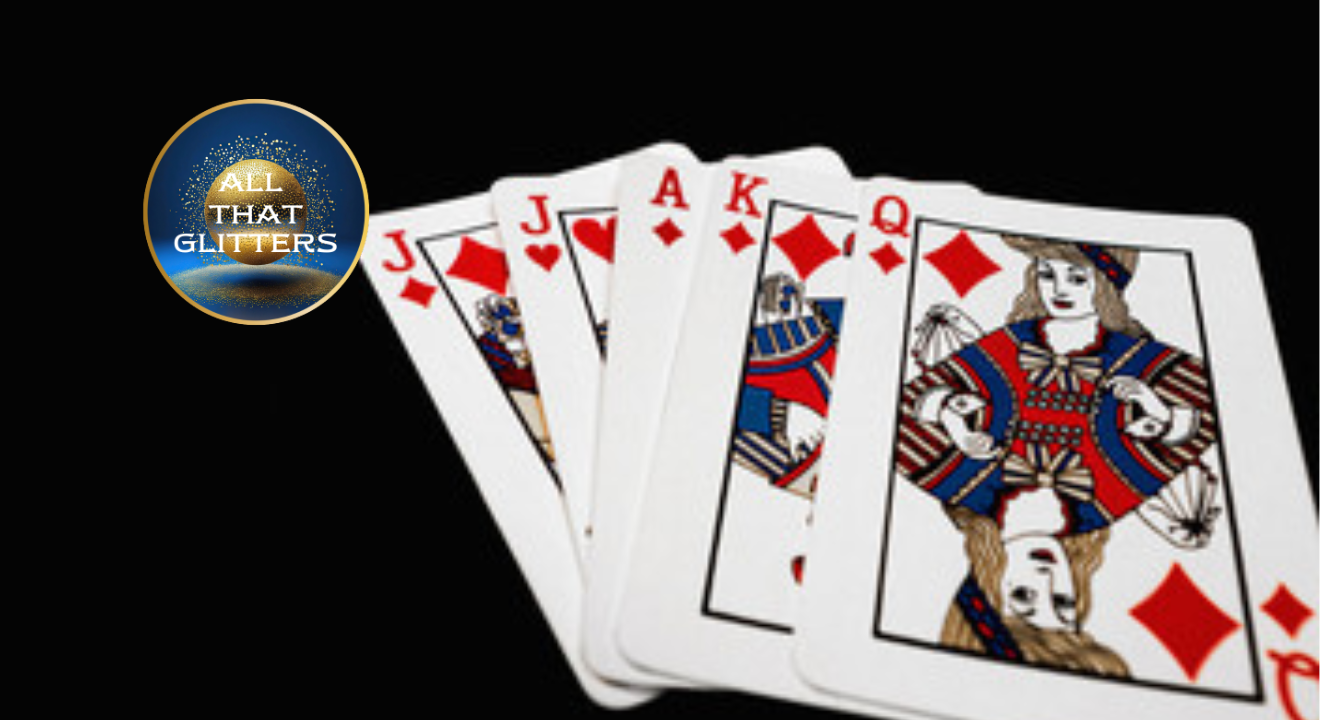
- The Jack of trump is the highest card.
- The Jack of the same color (called the “left bower”) is the second highest card—even though it technically belongs to another suit.
Example:
If hearts are trump:
- Jack of hearts = highest card
- Jack of diamonds = second highest card
- Then Ace, King, Queen, 10, 9 of hearts
This takes a little getting used to, but once it clicks, it’s part of the fun.
Choosing Trump
After the deal, players take turns deciding whether to accept the face-up card’s suit as trump.
- If someone chooses it, the dealer picks up that card and discards one.
- If everyone passes, a second round begins where players can name any other suit as trump.
- If no one chooses, the hand is redealt.
Playing the Hand
- The player to the dealer’s left leads the first card.
- Everyone must follow suit if they can.
- If you can’t follow suit, you may play any card—including trump.
The highest card wins the trick, and the winner leads the next one.
A trick is a round of play where each of the four players places one card face up, with the highest ranking card winning the hand.
Scoring
- The team that chooses trump must win at least three tricks.
- Winning 3 or 4 tricks = 1 point
- Winning all 5 tricks = 2 points
- If the trump-calling team fails to win 3 tricks, the other team scores 2 points (this is called being “euchred”).
Play continues until a team reaches 10 points.
How to Learn Without Feeling Confused or Overwhelmed
The fastest way to learn euchre is to play with forgiving—and fun—people. Expect mistakes. Everyone makes them early on.
Helpful tips:
- Focus first on following suit correctly.
- Remember that the left bower counts as trump, not its printed suit.
- Don’t worry about advanced strategy right away.
There are also many euchre apps and online versions that enforce the rules automatically, making them excellent learning tools.
Hosting a Euchre Night
You don’t need to recreate a 1900s parlor to enjoy Euchre, but borrowing a few old-fashioned ideas helps.
Keep It Casual
- Aim for four to eight players.
- Set up one or two tables, four players at each table.
- Rotate partners occasionally to keep things social.
Set the Tone
- Make it clear the goal is fun, not perfection.
- Decide on rules ahead of time (scoring, redeals, house variations).
Add Simple Extras
- Serve light snacks that don’t interfere with cards.
- Have a running score sheet for each game.
- Offer small prizes for participation, not just winning.
Most importantly, encourage conversation. Euchre works best when people talk, laugh, and stay engaged between hands.
Ready to Try?
- Have you played euchre before, or would this be your first game?
- Who would you invite to a modern euchre night?
- Would you like to see more posts on historical games and pastimes?
Share this post with a friend who loves card games, or bookmark it for your next gathering. Have fun!