Official Trailer Drop! — A First Look at My New Short Story
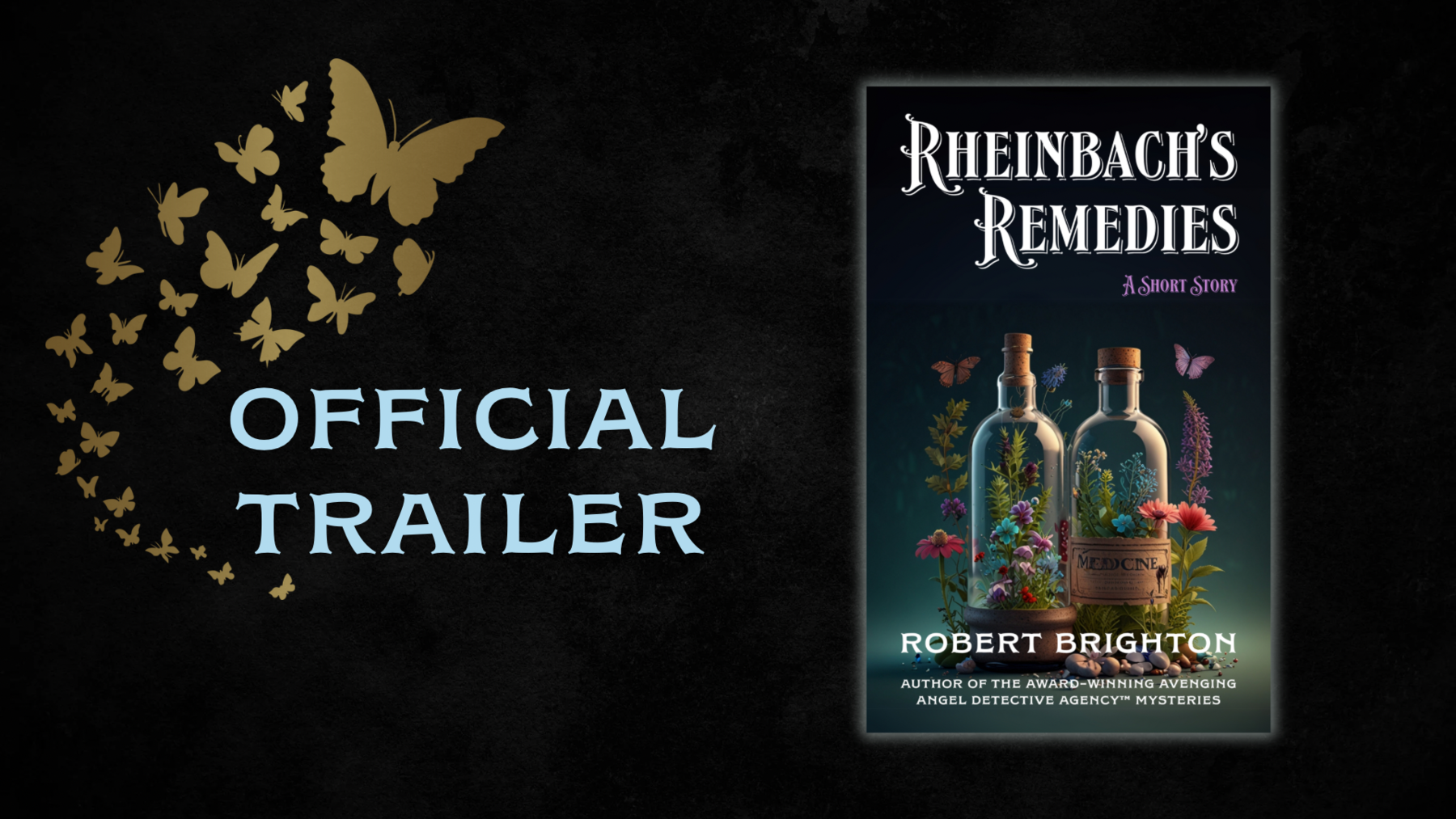
Step inside the world of Rheinbach’s Remedies. Catch a glimpse of the characters, setting, and style that bring this story to life—your next favorite read starts here.
What do you think of when you hear the term ‘patent medicine’? Nostrums, snake oil, or quack medicine, probably.
These days, it’s easy to throw shade on the old-time patent medicines, but in this article we shall give them their due: for laying the foundation for what we know today as ‘Big Pharma’—the giant drug manufacturers that loom so large in daily life.
Peruse this collection of stories, tidbits, and interesting articles from around the globe and become the most interesting person at your next dinner party.
In today's Ask Me Anything, I’m sharing a couple of early questions posed by you. Thank you for sending in your thoughts, and keep them coming—you might just see your question answered here.
I have always been curious about other people’s lives, and I suppose that is one of the characteristics of the writer. The writer has to be a student of human nature, of nature itself, and of the metaphysical realm (or what we can know about it).
Bad writing can indeed be avoided (or at least solidly corrected and transformed)! Learn solid tips on what, and how, to recognize bad writing—and how to turn bad writing into great writing.
This easy-to-prepare and sure-to-please recipe is from the Book Club Kit for Current of Darkness, and book club or not, makes for a healthy dish for an everyday or special event.
These glazed and roasted carrots are delicious, easy to prepare, and a versatile side dish for any meal. Vegetable recipes such as this would have been staples of a Gilded Age dinner.